
Blog

Your blog category

Dental Implant Marketing: Educating Patients Past the Price Barrier

Dental Implant Marketing: Educating Patients Past the Price Barrier

Dental Implant Marketing: Educating Patients Past the Price Barrier For dental practice owners, implantologists, prosthodontists, and cosmetic dental surgeons, high-ticket restorative dentistry represents the highest tier of clinical value and practice revenue. Advanced surgical procedures such as single titanium implants, implant-supported bridges, All-on-4 immediate restorations, and complex zygomatic implants carry life-changing potential. They permanently restore masticatory functionality, preserve delicate facial bone architecture, and give patients their natural confidence back. Yet, every dental marketing director and clinical administrator knows that marketing dental implants is uniquely challenging. When an everyday individual suffering from failing dentition or chronic tooth loss encounters a treatment estimate running into tens of thousands of rupees or dollars, their immediate psychological response is sticker shock. They panic, put their hands up, seek refuge in temporary alternatives like removable acrylic dentures, or abandon their treatment search altogether. In the competitive modern aesthetic and restorative dentistry space, you cannot solve this price hesitation by running shallow discount advertisements or plastering generic stock photos of smiling models across social media. Discounter tactics degrade clinical credibility, attract bargain hunters who never convert, and create patient skepticism. To attract qualified, self-funded individuals ready to invest in advanced oral rehabilitation, your clinic must deploy an empathetic, education-first marketing funnel that deconstructs the price barrier long before the patient ever reclines in your operatory chair. At The Tapi Media, we help dental clinics, multi-specialty oral care hospitals, and cosmetic dental surgeons design sophisticated patient acquisition engines. In this complete masterclass, we explore the exact clinical storytelling, transparency frameworks, video scripting techniques, and conversion funnels required to convert anxious, price-sensitive prospects into confident, committed implant patients. Deconstructing Patient Price Shock on High-Ticket Care To dissolve patient resistance, we must first understand the root cause of dental implant price shock. The barrier is rarely a total lack of money; it is almost always an immense disconnect between perceived expense and clinical value. When an untrained patient hears a single lump-sum figure for full-arch dental implants, their brain lacks clinical context. Without education, they mentally compare an implant to a dental filling, a routine extraction, or a consumer lifestyle purchase. They do not see the rigorous surgical engineering, biological science, and specialized expertise required to reconstruct a living human jaw. The True Architecture of Implant Longevity Effective dental implant marketing bridges this knowledge gap by explaining the four critical pillars behind restorative pricing: First, Diagnostic and Guided Surgical Precision. Placing an endosseous implant into alveolar bone requires advanced three-dimensional cone beam computed tomography diagnostics, digital intraoral scanning, computer-aided surgical guide fabrication, and sterile operatory setups. It is precision microsurgery, not a casual commodity. Second, True Biological Osseointegration. Dental implants are permanent medical-grade titanium or zirconia biocompatible posts. Over three to six months, living jawbone cells attach directly to the micro-textured implant surface through osseointegration. No bridge or denture in the world can replicate this biological bond. Third, Prevention of Chronic Facial Bone Resorption. When a natural tooth root is lost, the surrounding jawbone loses stimulation and steadily melts away. This resorption leads to premature facial collapse, sunken cheeks, deep wrinkles around the mouth, and an aged appearance. Implants are the only restorative modality that halts bone loss by transferring masticatory biting forces directly into the bone. Fourth, Lifetime Economic Durability. Removable dentures loosen within two years, cause painful gum ulcerations, require constant adhesives, and demand repeated relining or replacement. High-quality dental implants boast clinical success rates above ninety-five percent over decades. Over a lifetime, implants frequently cost far less than managing endless failures from cheaper, temporary fixes. When your marketing content reframes dental implants as a permanent, youth-preserving health investment rather than an elective expense, the conversation shifts from how much it costs to how much it saves. Transparent Procedure and Cost Breakdown Content The traditional dental marketing playbook encourages clinics to keep fees strictly hidden. The belief was that hiding fees forces prospective patients to call the clinic or attend a high-pressure in-person consultation where a treatment coordinator can close them. In modern healthcare consumerism, secrecy backfires. Modern patients research treatments independently online at night. When a clinic deliberately hides pricing, patients immediately assume the worst: that the clinic is ridiculously overpriced, predatory, or using fluctuating pricing. Transparent education dispels fear and builds immediate clinical authority. Demystifying the Total Financial Investment Your clinic website, landing pages, and long-form guides should walk patients through the anatomical components of an implant fee: Component One: Advanced 3D Diagnostics and Virtual Surgical Planning. The CBCT bone scans and virtual prosthetic planning that ensure absolute safety and prevent nerve injury. Component Two: Surgical Post and Guided Placement. The certified surgical grade titanium or zirconia fixture and the sterile surgical procedure conducted by an experienced surgeon. Component Three: Custom Precision Abutment. The precision-milled titanium or ceramic intermediate connector that secures the crown to the implant beneath the gumline. Component Four: Monolithic Aesthetic Crown or Full-Arch Bridge. High-strength zirconia or layered porcelain hand-finished by master dental technicians to match natural enamel shade, translucency, and bite alignment. When a patient sees exactly what each rupee or dollar pays for, the total procedure fee looks logical, fair, and reassuring. Addressing Low-Cost Discount Implant Hazards Educate prospective patients on the dangerous world of low-cost copycat implants. When budget dental chains advertise implants at unbelievably low rates, they often compromise on component authenticity, utilize uncertified copycat screws, skip guided surgical stents, or use low-grade acrylic teeth that fracture within months. Highlighting the risks of non-certified components, peri-implantitis infections, loose screws, and costly revision surgeries positions your practice as the ethical, premium, and safe choice in your city. Deploying Low-Friction Financing Pathways Even when patients fully recognize the value of implants, parting with a large lump sum all at once can be financially paralyzing. High-ticket dental patient funnels must integrate flexible, low-friction financial solutions: Offering zero percent interest Equated Monthly Installment options through leading medical finance providers immediately breaks the psychological price barrier. Presenting a full-arch rehabilitation as an affordable monthly investment of five thousand to ten thousand

Dental Implant Marketing: Educating Patients Past the Price Barrier Read More »

Pediatric Clinic SEO Capturing High-Intent Emergency Parent Searches

Pediatric Clinic SEO: Capturing High-Intent Emergency Parent Searches

Pediatric Clinic SEO: Capturing High-Intent Emergency Parent Searches When a child spikes a sudden high fever at 11 PM or takes a nasty tumble during playground hours, panicked parents don’t casually browse social media feeds. They pull out their smartphones and type urgent queries like “pediatrician open now near me” or “emergency child clinic [City]”. For pediatricians, child healthcare centers, and multi-specialty clinics, capturing these high-intent searches can make the difference between an empty waiting room and fully booked appointment slots. But competing in local healthcare search requires more than just a basic website—it demands a razor-sharp local SEO strategy tailored specifically to parent psychology. At The Tapi Media , we specialize in helping regional healthcare providers, hospitals, and clinics dominate local search rankings, turning high-intent parent queries into trusted, lifelong patient relationships. Here is your definitive guide to mastering pediatric clinic SEO and driving consistent walk-ins to your practice. The Anatomy of Urgent “Pediatrician Near Me” Searches Understanding how and why parents search during health emergencies is the foundation of effective pediatric SEO. When parents search under stress, their behavior follows distinct patterns: Hyper-Local Intent: They rarely look across town; they want a doctor within a 5-to-10-minute radius or immediate neighborhood. Mobile-First Dominance: Over 85% of urgent pediatric searches happen on smartphones. Speed, instant tap-to-call buttons, and map directions dictate whether they choose your clinic or your competitor down the street. Trust and Urgency Drivers: Parents look for trust signals instantly—ratings, clear operating hours (e.g., “Open Now”), and explicit mentions of emergency care or infant care. Structuring your website’s meta titles, H1 tags, and local landing pages around these urgent behavioral triggers ensures Google recognizes your clinic as the most relevant local solution. Google Business Profile Category & Attribute Setup Your Google Business Profile (GBP) is often the very first touchpoint a parent has with your pediatric clinic—appearing prominently in the Google Map Pack (“Local 3-Pack”). To capture urgent local traffic, your GBP must be meticulously optimized: Primary & Secondary Categories: Set your primary category strictly as “Pediatrician” or “Pediatric Clinic”. Add secondary categories like “Child Health Care Centre”, “Vaccination Centre”, or “Emergency Care Service” if applicable. Attributes Matter: Fill out every relevant attribute. Highlight wheelchair accessibility, child-friendly environments, emergency services, and accepted insurance networks. Accurate Operating Hours & Special Hours: If your clinic offers extended evening hours or weekend availability for working parents, make sure this is clearly updated. During festivals or holidays, keep special hours current so parents aren’t turned away by outdated information. Regular GBP Posting: Share health tips, vaccination schedule reminders, and seasonal advisories (like monsoon flu prevention) via Google Posts to signal active community engagement to Google’s algorithm. Building Child Healthcare Symptom Landing Pages Generic homepage optimization won’t rank for specific parental concerns. To maximize organic reach, your clinic website needs dedicated, high-value symptom and service landing pages. Instead of a single “Our Services” page, build targeted pages for key parental search queries: Infant Fever & Newborn Care Childhood Vaccinations & Immunization Schedules Pediatric Asthma & Allergy Management Minor Injury & Urgent Care for Kids How to structure these pages for SEO and conversion: 1. Clear, Empathetic H1 Headings: Address the parent’s concern directly (e.g., “Expert Infant Fever Care & Emergency Consultations in [City]”). 2. Authoritative Medical Content: Write clear, reassuring content outlining what parents should expect during a visit, when to seek immediate emergency help, and how your pediatricians approach treatment. 3. Local Schema Markup: Implement LocalBusiness and MedicalClinic schema markup to help search engine crawlers understand your exact location, doctors’ credentials, and working hours. Mobile Click-to-Call & WhatsApp Conversion Pathways When a parent finds your clinic during an emergency, every second counts. If they encounter a slow-loading page, confusing navigation, or have to manually type a phone number, they will bounce to a competitor. Prominent Click-to-Call Buttons: Place a sticky, tap-to-call phone number at the top header and bottom footer of your mobile site. When tapped, it should instantly launch the parent’s phone dialer. WhatsApp Business Integration: Many modern parents prefer messaging over phone calls, especially when sharing symptoms, asking about vaccine availability, or checking appointment slots. Integrating a floating WhatsApp chat widget builds instant rapport and lowers friction. Streamlined Mobile Speed: Compress images, minimize heavy scripts, and ensure your site passes Core Web Vitals. A 1-second delay in mobile load time can drop your pediatric clinic’s conversion rate by up to 20%. Collecting Authentic Verified Parent Reviews Word-of-mouth is the lifeblood of pediatric healthcare. In the digital age, Google reviews act as your modern word-of-mouth referral network. Automated Post-Visit Follow-Ups: Set up an automated SMS or WhatsApp sequence sent to parents shortly after their clinic visit, politely thanking them and asking for a Google review if they were satisfied with the doctor’s care. Keyword-Rich Testimonials: Encourage parents to mention specifics in their reviews (e.g., “Dr. Sharma was incredible with our newborn during our emergency visit”). Google indexes these keywords, boosting your local ranking authority. Professional Reputation Management: Always respond professionally and empathetically to all reviews—both positive and constructive. Active engagement signals to prospective parents that your clinic values patient care and communication. Accelerate Your Clinic’s Digital Growth with The Tapi Media Dominating local search and capturing high-intent parent traffic requires a balanced blend of technical SEO, local authority building, and high-converting mobile experiences. You don’t have to navigate the ever-changing digital landscape alone. At The Tapi Media , we partner with regional healthcare providers, pediatric clinics, and specialized medical practices to build powerful performance marketing campaigns, optimize local search rankings, and drive predictable patient appointments. Ready to fill your waiting room and establish your clinic as the trusted name in child healthcare? Contact The Tapi Media today and let our digital growth experts elevate your practice online. Sourtce By : magnific

Pediatric Clinic SEO: Capturing High-Intent Emergency Parent Searches Read More »

Google Ads vs Meta Ads Which Delivers Faster ROI for Local Businesses

Google Ads vs Meta Ads: Which Delivers Faster ROI for Local Businesses?

Google Ads vs Meta Ads: Which Delivers Faster ROI for Local Businesses? Google Ads vs Meta Ads: Which Delivers Faster ROI for Local Businesses? When local business owners dive into paid advertising, the million-dollar question is always the same: Which platform—Google Ads or Meta Ads—delivers a faster return on investment (ROI)? The short answer is that they serve two completely different stages of the customer journey. Google Ads captures existing demand, while Meta Ads creates demand. Let’s break down how they compare so you can figure out where to put your marketing dollars first. The tapi media Direct Search Intent vs. Passive Discovery To understand which platform delivers faster ROI, you first need to understand user psychology and how consumers behave on each network: Google Ads (High Intent): When someone types “emergency plumber near me” or “best HVAC repair in Surat” into Google, they have an urgent problem and are ready to buy right now. Because of this high search intent, Google Ads typically converts much faster into booked calls, store visits, appointments, and direct sales. The consumer is actively looking for a solution, and your ad appears as the immediate answer. Meta Ads (Passive Discovery): People go to Facebook and Instagram to scroll through photos of friends, catch up on news, watch reels, or relax—not necessarily to buy a service. Meta Ads rely on interest, demographic, behavioral, and hyper-local radius targeting to interrupt their feed. While it takes longer to nurture these users and guide them through a sales funnel, Meta is unmatched for building visual brand familiarity and emotional connection in your local community. Cost Per Lead Comparison by Industry Ad costs vary dramatically depending on your niche, local market competition, and target audience, but platform mechanics fundamentally change your Cost Per Lead (CPL) dynamics: Service Trades & Emergency Services (Plumbing, Roofing, Locksmiths, Pest Control): Google Ads usually wins on speed and efficiency here. A person with a leaking roof won’t browse Instagram for inspiration; they search on Google instantly. Although Cost Per Click (CPC) can be high in competitive markets, the conversion rate is exceptionally high because the intent is already there. Lifestyle, Health, & Visual Businesses (Gyms, Spas, Dentists, Restaurants, Salons): Meta Ads shine brightly in this category. Showing mouth-watering food videos, serene spa atmospheres, or fitness transformation photos catches attention in the feed at a much lower CPL. General Rule of Thumb: Google Ads leads are often more expensive per click but carry much higher purchase intent, whereas Meta Ads offer lower-cost leads that require strategic follow-up, nurturing, and remarketing before they convert into paying customers. When to Pick Google Ads for High-Intent Queries Choose Google Ads if your local business relies on immediate, urgent, or problem-solving queries where timing is everything. Google is your best strategic bet when: You need immediate phone calls or bookings: If cash flow is tight and you need clients this week, Google search ads and Google Local Services Ads put you at the very top of the search engine results page for high-intent keywords. Your service has a high customer lifetime value (LTV): If a single customer is worth thousands of dollars (e.g., solar panel installation, legal services, major home remodeling, premium medical procedures), paying $10 to $50 per click on Google is easily justified by the closed deal. People actively search for what you do: If your service isn’t something people “discover” visually, but rather look up when an urgent problem arises, Google Search is essential for capturing that active intent. When Meta Ads Scale Local Brand Awareness Faster Meta Ads excel at hyper-local targeting combined with powerful visual storytelling. Choose Meta when: You are launching a new local business or grand-opening offer: If nobody in your town knows your brand name yet, Facebook and Instagram let you saturate a 5-to-10-mile radius around your storefront with video ads, special opening discounts, or community events. You sell visually appealing products or lifestyle services: Local boutiques, cafes, fitness studios, interior designers, and beauty salons thrive on Meta’s visual-first format where aesthetics drive desire. You want to scale up lead volume affordably: If local Google search volume in your town is capped (e.g., a smaller city or niche market with low monthly search queries), Meta allows you to expand your reach by targeting broader interests, lookalike audiences, and video views. Building a Blended Multi-Channel Ad Funnel Instead of treating Google and Meta as bitter rivals, the most successful local businesses use them together as an integrated **blended funnel**: 1. Capture Quick Wins with Google: Run Google Search and Google Local Services Ads to capture high-intent buyers who are ready to purchase right now. This generates immediate revenue and a fast, positive ROI. 2. Nurture & Retarget with Meta: Take the website traffic and lead lists generated from Google and retarget those visitors with social proof, customer testimonials, and FAQs on Facebook and Instagram. Simultaneously, run top-of-funnel video ads on Meta to build local trust and brand awareness. 3. Optimize Budgets Over Time: Allocate 70–80% of your initial budget to the channel that proves fastest for your specific niche (usually Google for emergency service trades, Meta for lifestyle, retail, and hospitality), and reinvest your profits into scaling the secondary channel. Summary Table: Google Ads vs. Meta Ads for Local Businesses Feature Google Ads Meta Ads (Facebook & Instagram) Primary Driver Search Intent & Active Demand Visual Discovery & Interruption Speed to ROI Fast (Captures people ready to buy now) Moderate (Requires audience building & nurturing) Best For Emergency services, high-value local services Visual brands, salons, gyms, community awareness Audience Targeting  Keywords, location, search queries Demographics, interests, behaviors, custom lists Ad Format Text links, maps listings, display banners High-impact image, carousel, and video reels Final Verdict: Which Delivers Faster ROI? For immediate ROI , Google Ads wins hands down because it intercepts consumers at the exact micro-moment of need when they are holding out their credit card or phone. However, for long-term brand dominance, predictable customer acquisition, and scalable local growth ,

Google Ads vs Meta Ads: Which Delivers Faster ROI for Local Businesses? Read More »

Agency client retention and transparent marketing ROI reporting framework by The Tapi Media

Scaling a Regional Digital Agency: Retention Over Acquisition

Scaling a Regional Digital Agency: Retention Over Acquisition The standard growth playbook promoted across the digital marketing industry focuses almost exclusively on top-of-funnel customer acquisition. Early-stage agency founders, service operators, and consultancy leaders are constantly advised to run aggressive outbound cold email sequences, spend lavishly on promotional lead-generation funnels, and pitch low-retainer introductory audits to sign new accounts. Yet, across growing regional agencies, this rapid front-end onboarding model frequently conceals an unsustainable financial reality: rampant client turnover. When a service business loses 30% to 50% of its active accounts every quarter, the enterprise remains trapped on a exhausting client churn treadmill. True operational expansion, healthy net profit margins, and long-term enterprise valuation do not stem from closing transactional one-off projects; they are built through disciplined agency client retention. At The Tapi Media, we architect complete digital marketing engines and growth systems for regional commercial brands, super-specialty healthcare networks, and industrial manufacturing enterprises. Achieving true digital marketing agency scale demands a fundamental cultural pivot from pure transactional sales toward long-term operational stewardship. By backing client communication with verifiable data, transparent performance measurement, and an intentional client growth strategy, service firms turn volatile monthly retainers into dependable multi-year partnerships that compound enterprise value over time. Transparent Analytics Reporting: Demystifying Vanity Metrics into Revenue Realities The primary reason commercial clients, retail store founders, and clinic directors terminate marketing retainers after 90 days is a perceived disconnect between reported agency metrics and real-world cash registers. Traditional agencies routinely overwhelm clients with 30-page automated PDF presentations filled with impressions, reach percentages, aggregate clicks, and social media likes. To a business owner paying a monthly fee, these vanity numbers feel hollow when their sales floor or patient consultation desks remain quiet. High-retention operational agencies differentiate themselves by aligning their reporting directly with business economics: Multi-Channel Funnel Sync: Breaking Down Silos for Holistic Brand Impact Many regional agencies structure their delivery teams in rigid silos: social media creators operate independently from search engine optimization specialists, who in turn work separately from paid performance media buyers. This operational disconnect results in conflicting messaging, redundant ad spend, and fractured customer journeys that degrade marketing return on investment. A comprehensive client growth strategy integrates diverse digital disciplines into a synchronized growth engine: Synchronizing service delivery across multiple touchpoints demonstrates holistic business value, insulating the relationship against the typical risks of running single-channel campaigns. Proactive Campaign Audits: Identifying Bottlenecks Before Clients Complain A reactive operational posture is the single greatest threat to long-term client stability. In poorly managed agencies, account managers interact with clients only when an invoice is due or when an unhappy client emails to question falling lead quality. By the time an account reaches this stage of frustration, the relationship is already damaged beyond repair. High-performance agencies build internal review systems to catch performance dips early: Client Retention Frameworks: Structuring Predictable Account Reviews Sustained commercial partnerships rely on predictable communication structures. When communication between agency leads and client founders is disorganized—scattered across random WhatsApp pings, informal phone calls, and buried email chains—strategic focus is lost, and the perceived value of the agency degrades. Deploy a standardized account management framework that guides the client relationship through clear stages: Operational Rhythm Core Agenda & Purpose Primary Agency Deliverable Impact on Client Churn Weekly Flash Pulse Operational ad spend pacing, lead volume confirmation, creative approvals. Automated dashboard summary and brief bulleted status update. Eliminates miscommunications and confirms daily progress. Monthly Strategy Review Deep dive into commercial conversions, cost-per-lead trends, and conversion rates. Executive report comparing ad spend against closed pipeline value. Aligns agency performance directly with bottom-line revenue. Quarterly Business Review Long-term strategic roadmap, seasonal campaign planning, and budget scaling. 90-day comprehensive growth roadmap and market opportunity deck. Transforms tactical suppliers into indispensable strategic growth partners. Implementing structured communication frameworks removes ambiguity, reinforces accountability, and provides the operational foundation required to achieve true digital marketing agency scale. Predictable Growth Engines: Transforming Stable Retainers into Operational Leverage The financial compounding that results from minimizing client churn is extraordinary. An agency that retains 90% of its active client roster year after year operates with distinct strategic and financial advantages over competitors trapped in constant sales cycles. Mastering client retention creates substantial operational leverage across your business: Frequently Asked Questions 1. Why is agency client retention more valuable than new client acquisition? Acquiring new clients requires substantial investment in marketing, sales calls, unpaid audits, and onboarding labor. Focusing on agency client retention protects your recurring revenue base, lowers blended customer acquisition costs, and increases account profitability as workflows mature and become more efficient over time. 2. What is the most effective approach to marketing ROI reporting for regional clients? The most effective approach focuses on bottom-line business metrics rather than surface-level vanity data: report on verified cost-per-qualified-inquiry (CPQL), scheduled clinic consultations, closed retail orders, and overall marketing efficiency ratios (MER) rather than just clicks, impressions, or reach. 3. How does a structured client growth strategy help reduce client turnover? A comprehensive client growth strategy establishes predictable communication rhythms, aligns multi-channel efforts (like coordinating SEO with paid social ads), and identifies campaign bottlenecks before they harm sales, proving to the client that your team is an active partner in their business growth. 4. How often should an expanding digital agency conduct performance audits on active accounts? Agencies should conduct internal performance reviews every two weeks to spot creative fatigue, ad frequency creep, or technical tracking errors early. Pair these with monthly executive strategy meetings and comprehensive Quarterly Business Reviews (QBRs) to maintain close alignment with client leadership. 5. How does The Tapi Media maintain exceptional client retention across regional verticals? The Tapi Media builds deep, durable partnerships: deploying unified analytics dashboards, conducting proactive campaign health audits, integrating technical search with performance ads and video production, and delivering transparent, revenue-aligned reporting that consistently drives commercial growth. Scale Your Brand with a Committed Digital Partner: The Tapi Media Treating digital marketing as an endless cycle of signing new clients while ignoring ongoing relationships leads to operational

Scaling a Regional Digital Agency: Retention Over Acquisition Read More »

WhatsApp Business API vs regular WhatsApp business app retail workflow comparison by The Tapi Media

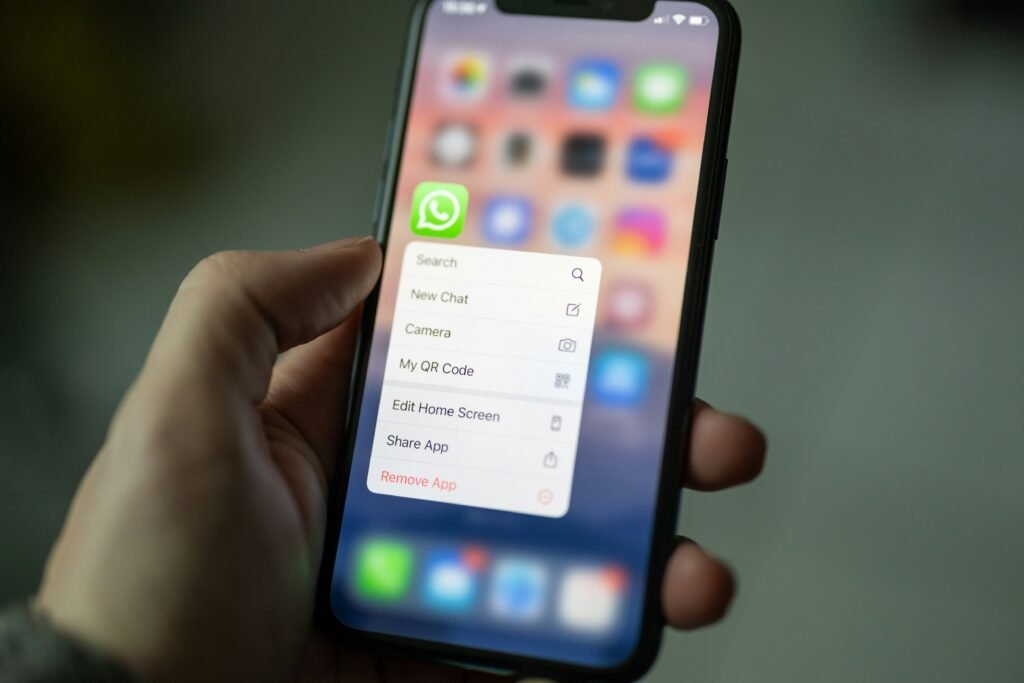
WhatsApp Business API vs Regular WhatsApp: Retail Guide

WhatsApp Business API vs Regular WhatsApp: Retail Guide Modern retail commerce is built on speed, convenience, and direct customer connectivity. Across modern high-streets, hypermarkets, and direct-to-consumer digital storefronts, WhatsApp has surpassed SMS and promotional email to become the primary communication channel between retailers and consumers. With open rates routinely exceeding 90%, it serves as an indispensable pipeline for retail sales outreach and customer care. However, as local retail shops expand into multi-branch networks or high-volume eCommerce platforms, their front-line teams inevitably run into severe operational bottlenecks with the standard mobile application. Choosing between the enterprise-grade WhatsApp Business API and the standard smartphone application is a critical operational decision that dictates marketing compliance, customer support bandwidth, and enterprise revenue growth. At The Tapi Media, we architect high-converting commercial acquisition funnels and messaging architectures for consumer brands, regional retail chains, and super-specialty service providers. Understanding the structural differences between the WhatsApp API vs app allows commercial leaders to transform manual messaging into scalable retail WhatsApp automation, delivering predictable customer experiences without risking permanent number bans. Broadcast Limitations: Escaping the 256-Contact Ceiling The standard, free WhatsApp Business app was designed strictly for neighborhood micro-enterprises—such as local tailors, boutique cafes, or single-counter corner pharmacies. Its broadcast feature comes with rigid built-in restrictions that prevent mid-market scaling. The structural limitations of manual broadcast lists create clear operational hazards for growing retailers: Green Tick Verification: Establishing Instant Brand Authenticity In an era plagued by unauthorized telemarketing, counterfeit retail schemes, and phishing scams, consumer skepticism is at an all-time high. When an unverified business number contacts a consumer with a promotional voucher or order link, the recipient’s first reaction is often hesitation or an outright spam report. The official WhatsApp Official Business Account (OBA) badge—commonly recognized as the verified Green Tick—acts as an immediate trust anchor: Chatbot Flow Integration: Deploying Frictionless 24/7 Commerce Modern consumers expect immediate answers whether they are inquiring about store hours on a Sunday evening or tracking an order at midnight. Operating on the standard mobile app forces retail staff to type manual responses to repetitive questions—such as return policies, product availability, catalog requests, and store locations. This manual approach leads to slow reply times, human error, and lost sales. Implementing native retail WhatsApp automation through API webhook infrastructure changes this dynamic entirely: Multi-Agent Customer Support: Centralizing Operations for Fast Resolution The standard WhatsApp Business app is tied to physical hardware. While Meta allows linking up to four secondary companion devices via web browsers, the entire setup remains fragile, unorganized, and poorly suited for coordinated team collaboration. When multiple customer support representatives attempt to share access through the standard business app, serious operational challenges emerge: Operational Feature Standard WhatsApp Business App Official WhatsApp Business API Broadcast List Size Capped at 256 contacts per list. Scales from 1,000 to unlimited unique daily users. Contact Save Requirement Mandatory (user must save your business number). Not required (opt-in consent is sufficient). Team Collaboration Limited to 4 linked companion web screens. Unlimited agents via shared CRM helpdesk dashboards. Automation & ERP Sync Basic away messages and manual quick replies. Full programmatic webhooks, POS sync, and custom AI flows. Official Brand Identity Displays unknown phone number to unsaved contacts. Official verified Green Tick and business name display. Cost vs Conversion: Evaluating the Commercial Return on Investment The primary reason small retail owners hesitate to transition to the official API is direct cost: the standard WhatsApp Business app is free, whereas the WhatsApp Business API operates on a clear utility and marketing conversation pricing model structured by Meta. However, evaluating this transition purely as a software expense overlooks the significant return on investment generated by automated messaging: Frequently Asked Questions 1. When should a retail store transition from the standard app to the WhatsApp Business API? Retail businesses should upgrade to the WhatsApp Business API when their customer database surpasses 500 contacts, when multiple team members need to manage customer inquiries simultaneously, or when manual order confirmations and dispatch tracking become too time-consuming to handle from a smartphone. 2. Can an existing retail phone number be migrated to the official API? Yes. An existing business telephone number can be upgraded to the API. However, because the API operates through cloud software dashboards rather than a smartphone app, the number must first be deleted from the mobile WhatsApp app before registering it with an official Business Solution Provider (BSP). 3. How do automated order updates reduce customer service overhead? Deploying automated order updates dispatches instant purchase receipts, live courier tracking links, and delivery notifications automatically via webhooks. This eliminates the flood of repetitive “Where is my order?” inquiries that typically tie up retail support desks. 4. Does using the WhatsApp Business API completely protect a business from account bans? While the API removes the risk of arbitrary bans triggered by manual bulk messaging, businesses must still adhere to Meta’s commerce and messaging policies. This includes securing explicit opt-in consent from customers, using approved message templates, and maintaining a high quality score by avoiding unwanted promotional spam. 5. How does The Tapi Media deploy WhatsApp automation funnels for regional brands? The Tapi Media plans and executes complete WhatsApp growth funnels: handling official Meta Business verification and Green Tick applications, integrating POS systems with customer support software, designing automated cart-recovery workflows, and crafting high-converting seasonal broadcast campaigns that drive verified store revenue. Scale Your Retail Operations with The Tapi Media Managing high-volume retail operations through a single smartphone limits your business growth and leaves your primary communication channel vulnerable to sudden account suspensions. Upgrading your messaging infrastructure with the WhatsApp Business API provides the automation, multi-agent capacity, and verified credibility needed to scale customer engagement smoothly. Reach out to The Tapi Media today to audit your current messaging setup, implement intelligent retail automation, and turn direct customer conversations into measurable, compounding sales revenue. Source By: unsplash

WhatsApp Business API vs Regular WhatsApp: Retail Guide Read More »

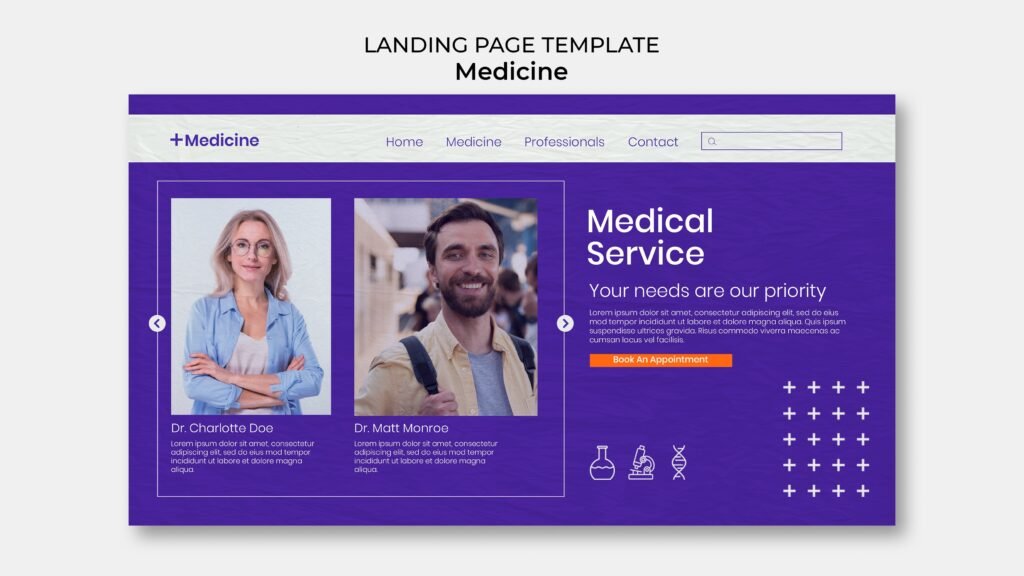
High-converting medical website UI UX and doctor landing page design by The Tapi Media

High-Converting UI/UX Layouts for Professional Medical Sites

High-Converting UI/UX Layouts for Professional Medical Sites When an anxious patient visits a clinic portal, they are not evaluating artistic flair; they want rapid clarity, trustworthy credentials, and seamless access to care. Sluggish pages, clunky menus, and buried phone numbers drive visitors directly to competing practices. Deploying a structured, patient-centric medical website UI UX framework directly bridges clinical expertise with intuitive digital access, significantly lifting your overall clinic conversion rate. At The Tapi Media, we design performance-first healthcare portals for super-specialist consultants, surgical teams, and diagnostic networks. A clean, purpose-built healthcare web layout reassures visitors instantly and turns passive site traffic into confirmed clinical appointments. Immediate Value Proposition: Eliminating Ambiguity Above the Fold The top section of your homepage must answer the patient’s most urgent questions within three seconds: Who are you, which clinical conditions do you treat, and where is the facility located? Doctor Credentials Strip: Building Trust Before the Scroll Clinical trust is non-negotiable. Patients need immediate reassurance regarding a surgeon’s qualifications and surgical volume before sharing personal health details. 3. One-Tap WhatsApp Floating CTA: The Frictionless Mobile Pathway Over 80% of regional healthcare discovery happens on mobile viewports where lengthy web forms are routinely abandoned. Integrating a sticky, one-tap WhatsApp trigger directly accelerates patient inquiries. Procedure Clarity: Transparent Treatment Breakdowns Medical terminology often triggers anxiety. Converting anxious visitors into calm, informed patients requires breaking down complex surgical solutions into digestible modules. Mobile Form Simplicity: Streamlined Appointment Booking Complex, multi-page intake forms create severe drop-off rates on touch devices. Streamlining the reservation pipeline on a responsive mobile clinic website ensures zero patient leakage. Frequently Asked Questions 1. Why is specialized medical website UI UX critical for private clinics? Unlike regular corporate websites, healthcare portals handle anxious users seeking urgent solutions. An intuitive medical website UI UX delivers instantaneous answers, verifies medical credentials, and streamlines consultation booking without cognitive friction. 2. How does a dedicated doctor landing page design improve conversion rates? A focused doctor landing page design removes unnecessary distractions like secondary sidebar widgets and bloatware, guiding visitors straight to treatment proof, verified patient reviews, and direct booking buttons to maximize your clinic conversion rate. 3. What makes a mobile clinic website layout effective for elderly patients? An effective mobile clinic website uses high-contrast typography, large touch-friendly buttons, clear Gujarati and English consultation options, and a prominent one-tap WhatsApp CTA to ensure effortless navigation for elderly patients and their caregivers. 4. How can a modern healthcare web layout help reduce patient appointment drop-offs? A clean healthcare web layout organizes procedural timelines, transparent OPD timings, and simple 3-field appointment forms logically, eliminating the user confusion that often causes visitors to bounce to competitors. 5. How does The Tapi Media optimize digital healthcare experiences? The Tapi Media crafts custom healthcare experiences: engineering fast-loading WordPress themes, deploying structured doctor schemas, optimizing mobile booking funnels, and building patient trust through verified clinical authority. Transform Your Medical Practice with The Tapi Media A clinical website should be your most dependable, 24/7 patient coordinator. Outdated designs, difficult navigation, and slow loading times cost your clinic valuable consultations daily. Upgrading your digital architecture with an authoritative medical website UI UX secures your position as a trusted healthcare provider. Connect with The Tapi Media to design clean, high-converting medical websites that earn patient trust and consistently grow your practice. Source By : magnific

High-Converting UI/UX Layouts for Professional Medical Sites Read More »

Performance marketing vs branding budget allocation framework for SMEs by The Tapi Media

Performance Marketing vs Branding: Where Should SMEs Invest Capital?

Performance Marketing vs Branding: Where Should SMEs Invest Capital? Every growing small and medium-sized enterprise faces a critical strategic dilemma when planning its annual commercial growth engine: should immediate capital be channeled entirely into pay-per-click lead generation to secure rapid sales, or should resources fund high-level brand awareness and reputation building? In the intense arena of modern digital advertising, debating performance vs branding is not merely an academic exercise; it dictates corporate cash flow survival, long-term customer acquisition costs, and enterprise valuation. Prioritizing one discipline entirely at the expense of the other creates systemic vulnerabilities, leaving businesses trapped in transactional cycles or draining cash reserves on untraceable creative campaigns. At The Tapi Media, we design integrated commercial acquisition architectures for ambitious B2B manufacturers, regional healthcare facilities, and scaling retail organizations. Allocating an intentional SME marketing budget demands understanding how real-time conversion mechanisms integrate with emotional market trust. By harmonizing direct acquisition engines with strategic market presence, companies transform inconsistent promotional efforts into predictable, compounding commercial growth. The CAC Trap: Why Pure Performance Marketing Hits Diminishing Returns Direct-response marketing provides immediate gratification. You configure a targeted paid ad campaign on Meta or Google Ads, inject capital, and monitor clicks, phone calls, and lead form submissions within hours. This clear transactional loop leads many entrepreneurs to believe that scaling a business is simply a mathematical function of injecting more capital into paid auction bids. However, relying exclusively on paid acquisition channels inevitably triggers the customer acquisition cost (CAC) trap. When an enterprise operates without established market reputation or distinctive brand positioning, it competes solely as a generic commodity. Over time, four distinct operational bottlenecks emerge: A pure lead generation strategy that neglects brand presence builds revenue on rented digital land. Businesses must recognize that while paid performance campaigns capture active buyers today, they do nothing to prime the 95% of prospective buyers who are not yet ready to purchase. Brand Authority Compounding: The Force Multiplier That Lowers CAC While performance advertising functions as an active sprint, brand building acts as financial compounding. Brand equity represents the accumulated emotional trust, perceived technical authority, and top-of-mind recall that a business builds across its target market over extended time horizons. In the ongoing debate surrounding performance vs branding, executives often overlook that strong branding directly improves the mathematical efficiency of performance advertising. Investing systematically in a dedicated brand building funnel yields distinct commercial advantages: Building brand authority is not about vanity graphics or abstract billboards; it is about establishing clear commercial trust that makes every future sales conversation faster and more profitable. The 70/30 Budget Formula: Balancing Immediate Cash Flow with Future Demand Small and medium enterprises rarely possess the capital reserves required for speculative, broad-reach brand campaigns. Every rupee allocated toward marketing must defend cash flow while expanding regional market share. Navigating this operational balance requires a disciplined, structured framework for capital distribution. Based on extensive field testing across B2B, retail, and clinical service sectors, the most reliable framework for distributing an SME marketing budget is the adaptive 70/30 resource allocation formula: Marketing Pillar Capital Share Primary Objectives Core Channels & Formats Performance Acquisition 60% – 70% Capture immediate, in-market commercial intent; generate instant qualified sales calls and bookings. Google Search Ads, Meta Direct-Response Forms, WhatsApp Click-to-Chat Ads, Retargeting. Brand Equity Building 30% – 40% Educate prospective buyers, establish industry authority, drive branded searches, reduce future CAC. Cinematic Brand Reels, Technical Authority Blogs, Founder Thought Leadership, 3D Animations. For early-stage operations requiring immediate sales, allocating 70% of capital toward direct-response funnels guarantees short-term operating security. Simultaneously, preserving 30% of your budget for top-of-funnel brand positioning ensures that your acquisition pipeline does not dry up as audience segments mature. As enterprise revenue stabilizes, progressive leadership teams gradually shift their SME marketing budget toward a 60/40 or 50/50 balance. This deliberate shift protects the organization from dependency on third-party ad auctions, allowing organic brand recall to drive sustainable market share. Attribution Tracking: Connecting Upper-Funnel Awareness to Bottom-Line Pipeline A primary factor that deters SMEs from investing in brand awareness is the challenge of tracking its direct contribution to sales. In traditional analytics, last-click attribution models award 100% of conversion credit to the final link clicked—typically a branded Google search or a retargeting ad. This skewed data leads businesses to defund the upper-funnel brand touchpoints that introduced the customer to the brand in the first place. To evaluate the real-world performance of an integrated brand building funnel, marketing teams must implement multi-touch evaluation frameworks: Adopting sophisticated attribution methodologies eliminates the false dichotomy of performance vs branding, revealing how brand investments actively fuel bottom-funnel performance metrics. Long-Term Scalability: Constructing an Integrated Acquisition Engine True commercial scalability is achieved when performance marketing and brand development operate as complementary components of a unified growth engine. Performance ads capture the immediate market demand created by your branding efforts, while branding initiatives continuously replenish your retargeting audiences with qualified, engaged prospects. Building this unified growth flywheel involves a four-stage execution framework: Deploying this unified lead generation strategy insulates growing enterprises against market downturns, shifts in platform algorithms, and localized price wars, delivering exceptional digital marketing ROI year after year. Frequently Asked Questions 1. Should an early-stage SME invest in branding immediately or focus solely on performance ads? Early-stage businesses should focus primarily on performance advertising (approximately 70% to 80% of initial spend) to validate product-market fit, generate operating cash flow, and secure immediate sales. However, dedicating the remaining 20% to 30% toward clean branding, professional visual design, and educational content prevents customer acquisition costs from escalating as ad campaigns scale. 2. How does investing in a brand building funnel lower customer acquisition costs over time? A structured brand building funnel increases organic and direct website traffic, lifts click-through rates on paid performance creatives, and builds buyer trust prior to sales conversations. This higher familiarity converts prospects faster and significantly reduces dependency on expensive competitive bidding auctions. 3. What are the key metrics used to measure digital marketing ROI for brand campaigns?

Performance Marketing vs Branding: Where Should SMEs Invest Capital? Read More »

Meta retargeting funnels and festive retail footfall strategy by The Tapi Media

Meta Retargeting Funnels for Festive Retail Footfall

Meta Retargeting Funnels for Festive Retail Footfall During peak festival seasons like Diwali, Navratri, or festive retail weekends, high-street stores and hypermarkets face brutal competition. Traditional offline banners and unsegmented broad advertising drain promotional capital without guaranteed store visits. Transitioning to data-backed retail festive ad campaigns allows physical brands to reactivate past shoppers, build purchase urgency, and steer regional shoppers straight to billing checkout counters. At The Tapi Media, we design performance-led customer acquisition systems for multi-brand retail outlets, sweet marts, and hypermarkets. Deploying disciplined Meta retargeting funnels bridges digital social engagement with verified in-store footfall, ensuring your festive promotions turn ad views into high-ticket store sales. First-Party Audience Setup: Activating Warm Regional Shoppers Cold prospecting during festive periods is expensive due to skyrocketing ad bidding costs. The most cost-efficient route begins with segmented audience retargeting from first-party brand assets. Dynamic Catalog Carousels: Showcasing High-Velocity Festival Stock Festive retail buyers rarely buy a single item; they seek comprehensive hampers, festival gift packs, and bulk grocery assortments. Dynamic visual formats drive spontaneous shopping interest. Scarcity Flash Offers: Driving Same-Day Neighborhood Walk-Ins Procrastination hurts festive retail revenue. Introducing short-window scarcity within your campaign motivates shoppers to visit the physical store immediately rather than delaying. In-Store Coupon Tracking: Bridging Digital Clicks to Billing Registers The primary flaw of traditional branding campaigns is poor sales attribution. Creating verifiable digital-to-offline bridges clarifies which ad sets generate the highest revenue. Budget Allocation: Scaling Budgets in Concentrated Neighborhood Radii Broad city-wide targeting wastes ad spend on neighborhoods situated too far away to drive store visits. Structuring budgets for high-density geographic catchments ensures maximum impact. Frequently Asked Questions 1. Why are Meta retargeting funnels more profitable than cold ads during festive seasons? During festive peaks, auction CPMs surge dramatically. Meta retargeting funnels focus your budget exclusively on past customers and warm social engagers, yielding significantly higher conversion rates at lower acquisition costs. 2. How do supermarket footfall ads drive shoppers into physical retail stores? Targeted supermarket footfall ads showcase festive grocery bundles, exclusive multi-buy savings, and clickable Google Map directions, compelling families within a 5-kilometer radius to visit for high-volume billing. 3. What are the highest-converting festival retail offers for festive campaigns? Tiered billing incentives (e.g., free premium gift sets on bills above ₹3,000) and short-window flash vouchers with unique WhatsApp redemption codes consistently drive the highest in-store traffic. 4. What is the ideal radius for a hyper-local ad scale retail campaign? For neighborhood supermarkets and sweet shops, maintain a hyper-local ad scale of 3 to 5 km. For large flagship stores or hypermarkets, expand the radius to 7 to 10 km based on local transit accessibility. 5. How does The Tapi Media optimize retail ad campaigns during festival rushes? The Tapi Media manages the entire retail growth pipeline: structuring first-party customer audiences, shooting enticing product b-rolls, building WhatsApp coupon capture flows, and managing dynamic budgets to maximize in-store revenue. Dominate Your Retail Market with The Tapi Media Winning the retail festive rush requires strategic digital funnels rather than passive hope. Launching structured retail festive ad campaigns guarantees that your store remains the preferred shopping destination for local households. Partner with The Tapi Media to deploy hyper-local acquisition funnels that pack your retail aisles and maximize your seasonal billing revenue. Source By : unsplash

Meta Retargeting Funnels for Festive Retail Footfall Read More »

B2B Industrial Lead Generation via Meta Ads

B2B Industrial Lead Generation via Meta Ads

B2B Industrial Lead Generation via Meta Ads A widespread misconception across the manufacturing sector is that Facebook and Instagram are strictly direct-to-consumer playgrounds for apparel, dining, and impulse gadgets. In reality, factory directors, chemical buyers, and distribution heads scroll through the exact same digital feeds after plant hours. Tapping into these decision-makers via high-converting B2B Meta ads delivers a measurable, cost-effective advantage over conventional corporate marketing. At The Tapi Media, we architect multi-tiered acquisition engines designed specifically for industrial suppliers and specialized chemical formulators. Implementing our proven industrial lead generation framework eliminates low-value retail inquiries and secures high-value wholesale procurement orders directly into your pipeline. The B2B Myth on Meta: Reaching Industrial Decision-Makers Where Attention Is Inexpensive B2B brand building does not have to remain locked behind the exorbitant ad rates of corporate platforms. Professional networks often charge astronomical fees per click, whereas Meta platforms offer substantial inventory at significantly lower CPMs. Job Title & Interest Stacks: Advanced B2B Targeting Architecture Dumping ad spend into generic business audiences generates unqualified noise. Engineering high-performing manufacturing ads requires layered demographic and behavioral narrowing: Technical Product Demos: Replacing Marketing Fluff with Hard Proof Industrial clients are inherently risk-averse; they commit budgets based on technical durability and consistent tolerance benchmarks rather than catchy slogans. In technical niches like chemical packaging marketing, persuasive creative strategy must lead with direct evidence: Instant Form Optimization: Filtering Intent and Capturing Qualified Buyers A high volume of cheap, unvetted leads drains internal sales bandwidth. Upgrading your lead form funnels weeds out unqualified consumers before they enter your CRM: Cost Per Qualified Lead (CPQL): Tracking Meaningful Pipeline Return A minimal acquisition cost per lead is a vanity metric if your sales team spends all week disqualifying homeowners and hobbyists. Sustainable industrial growth focuses strictly on Cost Per Qualified Lead (CPQL): Frequently Asked Questions 1. Can complex industrial machinery actually generate valid leads on Meta? Yes. Commercial decision-makers consume short-form video regularly. Clean, high-framerate plant footage that demonstrates operational capability consistently commands attention and prompts direct wholesale RFQs at competitive delivery costs. 2. How do we keep consumers and retail shoppers from filling out our bulk B2B forms? Set up friction deliberately within the form. Add mandatory questions regarding required monthly metric tonnage, registered entity legal name, and commercial facility location, which consumer leads will simply abandon. 3. How does Meta acquisition compare to LinkedIn for manufacturing brands? While professional networks charge significant premiums for basic clicks, strategically targeted Meta ad funnels capture the exact same decision-makers on mobile devices at a fraction of the total acquisition expense. 4. How does The Tapi Media handle industrial ad creatives? The Tapi Media films on-site manufacturing demonstrations, documents stress-testing parameters, and structures high-retention video hooks designed specifically to address B2B operational pain points. 5. Why is rapid follow-up critical for digital industrial inquiries? Industrial procurement teams routinely send requests for quotes to two or three vendors simultaneously. Reaching out with technical data sheets within minutes of lead capture dramatically raises your quotation-to-contract closure rate. Scale Your Manufacturing Pipeline with The Tapi Media Relying strictly on annual trade show booths and casual word-of-mouth creates uneven sales cycles and caps operational capacity. Deploying structured B2B Meta ads positions your production facility in front of verified commercial procurement managers daily. Reach out to The Tapi Media to design focused industrial funnels that fill your manufacturing calendar with high-ticket orders. Source By : unsplash

B2B Industrial Lead Generation via Meta Ads Read More »

Hyper-Local WhatsApp Catalog Funnels | Supermarket Growth

Hyper-Local WhatsApp Catalog Funnels for Supermarkets

Hyper-Local WhatsApp Catalog Funnels for Supermarkets Traditional print pamphlets and generic discount leaflets are losing their effectiveness in modern retail. Leading retail chains and local hypermarts are now scaling through automated WhatsApp catalog funnels that deliver weekly offers directly into shoppers’ smartphones. By shifting budget from traditional flyers to dynamic supermarket digital marketing, store owners can track every rupee spent against verified checkout billing. Pairing targeted Meta click-to-WhatsApp ads with a digital product inventory establishes an unbeatable system for retail customer retention. The Tapi Media Why Traditional Retail Fliers Fail Modern Supermarkets Paper flyers suffer from low retention, zero performance tracking, and high printing costs. Modern consumers expect interactive, mobile-friendly shopping updates. Transitioning to hyper-local retail marketing ensures your store reaches consumers within a precise 3 to 5 km radius at peak buying hours. Setting Up WhatsApp Catalog Funnels for Retail Success The foundation of automated conversational commerce lies in building streamlined WhatsApp catalog funnels. Instead of sending cluttered PDFs, organize your WhatsApp Business Catalog into distinct weekly categories: Shoppers can add items to their in-app shopping cart and send the list directly to your billing desk for home delivery or counter pickup.Powering Growth with Meta Click-to-WhatsApp Ads To acquire new neighborhood customers, deploy targeted Meta click-to-WhatsApp ads across Instagram and Facebook. Here is the operational framework: Mastering Supermarket Digital Marketing & Repeat Loyalty Acquiring a contact is only the first step; sustainable profitability depends on consistent supermarket digital marketing. Group your opt-in customer phone numbers by purchasing habits: Maximizing Long-Term Retail Customer Retention True lifetime value comes from structured retail customer retention. WhatsApp maintains an open rate of over 90%, making it the ideal channel to share festival recipes, flash weekend hours, and seasonal shopping guides. Respect customer frequency by capping promotional broadcasts to no more than two per week. Consistent value builds permanent brand loyalty without annoying your subscriber base. Conclusion: Modernize Your Supermarket Revenue Today Supermarkets that replace outdated paper brochures with interactive WhatsApp catalog funnels create an agile, predictable growth channel. Embracing focused hyper-local retail marketing and direct messaging empowers your store to dominate neighborhood footfall and build lifelong customer relationships. Contact Us Frequently Asked Questions : 1. How do WhatsApp catalog funnels help supermarkets? WhatsApp catalog funnels allow neighborhood shoppers to browse weekly grocery offers, add items directly to an in-app shopping cart, and place orders via chat, completely replacing expensive paper pamphlets. 2. What radius should Meta click-to-WhatsApp ads target for local retail? For neighborhood supermarkets and grocery stores, geo-targeted Meta click-to-WhatsApp ads work best within a tight 2 km to 4 km radius around the store location to ensure reachable delivery and quick walk-ins. 3. How often should a supermarket send promotional broadcasts on WhatsApp? To avoid customer fatigue and block rates, limit promotional broadcasts to 1 or 2 messages per week—ideally announcing weekend fresh arrivals or exclusive festival discount bundles. 4. Can customers place orders directly from a WhatsApp Business Catalog? Yes. Customers can select products from categorized collections, add quantities to their integrated cart, and send the order to your billing desk with a single tap for counter pickup or home delivery. 5. How does WhatsApp marketing improve retail customer retention? With open rates surpassing 90%, direct WhatsApp engagement lets you re-activate inactive shoppers with personalized return vouchers, announce loyalty point milestones, and share localized recipes using seasonal produce. Source By : unsplash

Hyper-Local WhatsApp Catalog Funnels for Supermarkets Read More »