
Keyword Cannibalization: How to Fix Duplicate Ranking Pages
When multiple URLs across your domain target the same search query, search engines face algorithmic confusion regarding which destination best serves the user. Rather than dominating the search engine results pages (SERPs), your conflicting URLs split inbound link equity, dilute topical authority, confuse web crawlers, and cause erratic ranking fluctuations. This common yet devastating technical issue is known as keyword cannibalization. Left unaddressed, it silently caps your site’s organic ceiling, suppresses conversion-focused landing pages, and drains digital marketing return on investment. Resolving these internal search conflicts requires an intentional, evidence-based roadmap that consolidates domain signals and triggers sustainable, high-velocity organic ranking recovery.
At The Tapi Media, we design and execute enterprise-level technical search architectures for growing B2B enterprises, specialized healthcare clinic chains, and regional market leaders. Executing a surgical duplicate keyword fix clarifies user search intent, fortifies core domain equity, and transforms fragmented, underperforming impressions into dominant, top-three organic rankings.
Defining Cannibalization: Recognizing the Symptoms of Keyword Dilution
Many marketing teams mistakenly assume that having multiple URLs rank on page two or three increases their overall digital footprint. In reality, modern search algorithms reward concentrated topical authority. When two or more pages address the same primary query, they end up fighting each other instead of competing against external industry rivals.
The operational symptoms of this structural breakdown include:
- Volatile Ranking Flips: A primary warning sign is watching your ranking URL flip back and forth between two or more pages inside Google search results every few days or weeks. One day your recent blog post appears at position 12, and the next day an older service page drops to position 24.
- Divided Click-Through Rates (CTR): When both pages appear intermittently for long-tail variations, organic clicks and user impressions become split. Neither URL accumulates sufficient behavioral interaction data to convince Google’s machine learning models that it belongs in the top tier of search results.
- Fragmented Link Equity: External industry websites, partners, and directory profiles naturally link to different variations of your content. Instead of concentrating high-power inbound backlinks on one authoritative flagship asset, your PageRank splits across competing URLs, weakening both assets.
- Algorithmic Suppression: Left unmanaged, severe keyword cannibalization signals to search engines that your site suffers from poor editorial discipline and duplicate content, resulting in gradual sitewide ranking drops across competitive commercial niches.
Google Search Console Audit: Uncovering Competing URLs with Real Data
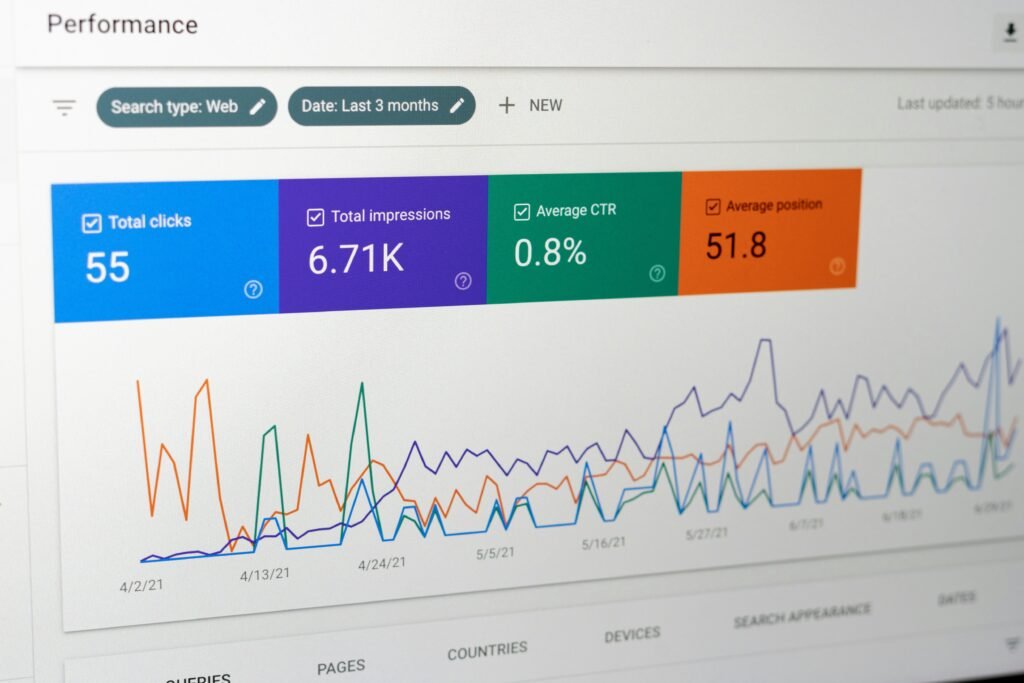
Resolving internal ranking conflicts requires verifiable performance data rather than intuition. A thorough search console SEO audit highlights internal competition, showing where multiple pages cannibalize each other’s impressions.
Follow this step-by-step diagnostic workflow inside Google Search Console:
- Isolate High-Value Queries: Navigate to the Performance report, set your date range to the last 6 to 12 months, and apply a filter for your primary commercial or transactional keyword.
- Switch to the Pages Dimension: With the query filter active, toggle to the Pages tab. If you discover two, three, or more URLs generating significant impressions for the exact same search term, you have identified an active cannibalization point.
- Analyze Position Discrepancies: Examine the average position column. If URL “A” hovers at position 9 and URL “B” sits at position 16, they are suppressing each other from reaching the top five positions, where more than 70% of organic clicks occur.
- Audit Historical Conversions: Cross-reference Search Console data with Google Analytics 4 (GA4). Identify which of the competing URLs delivers higher engagement time, lower bounce rates, and superior lead or purchase conversions. This high-converting asset should be designated as your primary canonical URL.
301 Consolidation Funnel: Merging and Redirecting Competing Assets
When multiple pages on your site share the same underlying search intent, user persona, and informational value, maintaining both URLs damages your site architecture. Consolidating these assets into a single comprehensive guide or cornerstone page serves as the most effective duplicate keyword fix.
Executing a clean consolidation requires systematic execution:
- Editorial Fusion: Audit both competing assets carefully. Extract unique research, clinical insights, custom infographics, case studies, and well-written paragraphs from the weaker secondary URL. Seamlessly weave these sections into your primary flagship page, updating outdated statistics and expanding headings.
- Server-Level 301 Redirection: Once the primary URL is fully upgraded and republishing is complete, set up a permanent 301 redirect from the old, secondary URL directly to the upgraded primary URL. This permanently transfers incoming page authority, link signals, and user traffic without leaving dead ends.
- Crawl Waste Prevention: Following a structured content pruning guide prevents web crawlers from expending precious crawl budget on redundant pages. It signals to Googlebot that your domain prioritizes concise, high-value resources over low-effort duplicates.
- Sitemap and Index Sanitization: Remove the retired secondary URLs from your XML sitemaps immediately, and request a manual recrawl of the primary URL in Google Search Console to speed up algorithmic re-indexing.
Intent Differentiation: Rewriting Content for Distinct Funnel Stages
Not every keyword conflict requires an outright deletion or permanent redirect. In many multi-service agencies, specialized medical clinics, or enterprise software ecosystems, two pages overlap because their content boundaries are poorly defined. You can resolve this issue by clearly separating their search intents.
Differentiating user search intent across your content library involves three strategic steps:
- The Informational vs. Commercial Divide: Realign one page strictly for top-of-funnel educational discovery—focusing on answering beginner questions, explaining symptoms, or providing conceptual blueprints. Align the competing URL strictly with bottom-of-funnel commercial intent—focusing on pricing models, service deliverables, doctor credentials, and direct consultation booking.
- Targeted Long-Tail Query Mapping: Update the page title, H1 tag, H2 subheadings, and meta description of the secondary URL to target specific long-tail queries. For example, transition one page from general terms to “how-to diagnostic workflows” while reserving the primary page for commercial terms like “professional audit services”.
- Audience Segmentation: Adjust the copy on each page to speak to distinct buyer personas. A technical engineering director requires deep specification charts, while a corporate procurement head needs clear cost breakdowns and delivery SLAs. Clear audience segmentation eliminates keyword cannibalization while expanding your domain’s reach across the entire buyer journey.
Internal Link Corrections: Sending Clean Algorithmic Signals
Internal linking is one of the most powerful yet overlooked tools in modern search engine optimization. Search engine bots rely heavily on internal link patterns, contextual surrounding text, and anchor text to determine which URL is the authoritative source for a given topic. When internal links use identical anchor text to point to two different pages, your site sends confusing algorithmic signals.
To establish a clean internal linking hierarchy:
- Conduct a Full Anchor Text Audit: Crawl your domain using tools like Screaming Frog to identify every internal link referencing your focus keyword. Verify where those links point.
- Align Links to Primary Assets: Modify all internal hyperlinks featuring your primary keyword so that their anchor text points directly and exclusively to your designated flagship URL. This consolidates topical relevance and builds internal PageRank.
- Diversify Secondary Anchor Text: When referencing secondary or supportive blog posts, update the anchor text to reflect specific long-tail angles or descriptive variations rather than broad primary keywords.
- Build Dedicated Content Silos: Group related informational blogs beneath their corresponding master category or commercial service hub. Have supportive blog articles link up to the master landing page, creating a unified topical cluster that search engine crawlers can navigate easily.
- This disciplined internal architecture establishes clear content relationships, speeds up indexation, and accelerates your organic ranking recovery.
Frequently Asked Questions
1. What exactly is keyword cannibalization, and how does it harm organic performance?
Keyword cannibalization happens when two or more pages on the same website target identical or closely overlapping search queries. Rather than competing against other sites, your pages compete against each other. This splits click-through rates, divides inbound backlink authority, confuses search crawlers, and causes frequent ranking drops across Google results.
2. How often should growing businesses conduct a search console SEO audit?
Enterprise brands, expanding digital platforms, and active medical clinics should perform a structured search console SEO audit at least once every quarter. Regular reviews help identify keyword conflicts early, preserve steady crawl efficiency, and ensure that key revenue-generating landing pages maintain top-three search rankings.
3. When should you use a 301 redirect instead of a rel=canonical tag?
Use a permanent 301 redirect when a competing page is redundant, has thin content, and offers no distinct value to visitors. Use a rel="canonical" tag when duplicate or highly similar pages must remain visible to users for functional reasons—such as separate eCommerce color variations, tracking-parameter URLs, or seasonal catalog duplicates.
4. How does following a structured content pruning guide improve overall domain authority?
A rigorous content pruning guide helps you systematically eliminate or merge outdated, low-performing, and duplicate URLs. Pruning low-value content concentrates search engine crawl budget on your highest-performing pages, builds topical authority, and accelerates comprehensive organic ranking recovery across competitive keywords.
5. How does The Tapi Media diagnose and fix technical search ranking issues?
The Tapi Media uses a comprehensive technical approach to resolve ranking drops: conducting detailed Search Console audits, restructuring internal link silos, executing seamless 301 redirects, differentiating search intent, and crafting optimized copy that helps regional brands and medical practices build enduring search visibility.
Consolidate Your Digital Authority with The Tapi Media
Publishing high volumes of content without a coordinated search architecture often leads to self-inflicted ranking plateaus. When your own URLs compete against each other for search engine attention, your marketing spend is wasted while agile competitors claim top rankings. Diagnosing and resolving keyword cannibalization ensures that every page on your domain works together to build topical authority and drive conversions. Reach out to The Tapi Media today to audit your search architecture, clear away internal keyword competition, and build high-performance search funnels that turn organic traffic into consistent business growth.